

Introduction to Protein Structure: From Disease to Therapy
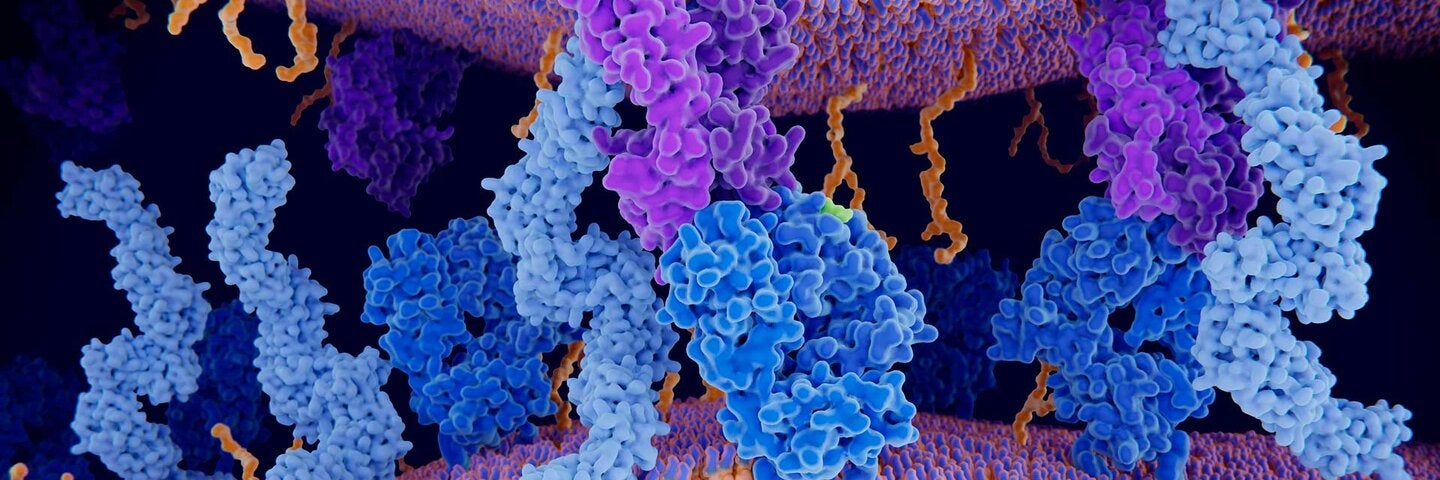
Introduction to Protein Structure: From Disease to Therapy
BIOL CH X 401
In this course, an introduction to protein and nucleic acid structures is delivered through various lectures, as well as exploring the relationship between protein structures and common human pathologies.
Get More Info
What you will learn.
What you will learn.
Explore the various therapies used to treat common human diseases
Understand the structure of proteins and how mutations lead to diseases
Evaluate how proteins can be used in the development of therapeutic diseases
About This Course
Proteins are involved in almost every physiological process that occurs within the body. They are necessary for countless metabolic processes, including converting glucose into energy, carrying oxygen in your blood, and recognizing and destroying foreign pathogens. Knowing the structure of the proteins that perform these essential functions is paramount to understanding how they work normally and why mutations lead to disease. Although proteins are involved in innumerable diseases, they may also be key in the development of therapeutic treatments. By understanding protein structure, scientists can design small molecules and even novel proteins that can treat a variety of diseases. This course provides an introduction to protein and nucleic acid structure as it relates to the essential functions that these macromolecules perform within cells. Lectures focus on how protein structure relates to a variety of common human pathologies and on the therapies that are used to treat these diseases.
Prerequisites
LIFESCI XL 3 or LIFESCI XL 7A